
 Colombia
 México
 Italia
 Francia
 Alemania
📰 AI News of the Week: OpenAI and Anthropic Change the Game of Automation

The Evolution of AI: From Chat to Practical Execution
Over the last two years, the conversation around generative artificial intelligence has been dominated by the ability of models to answer questions and generate coherent text. However, this week marks a significant turning point. We are witnessing the beginning of the era of "agentic AI" and direct operational utility.
It is no longer just about what AI can say, but what it can do and build. From the launch of tools that allow non-technical profiles to create professional visual assets in seconds, to the ability of models to interact directly with our computer interfaces, the focus has shifted toward tangible productivity and removing friction in the digital workflow.
In this weekly summary for AmigoXtra, we analyze how these advances are reshaping marketing, content creation, and business strategy, offering a roadmap to implement these innovations without getting lost in the media noise.
Claude Design: Democratizing Prototyping and Visual Creation
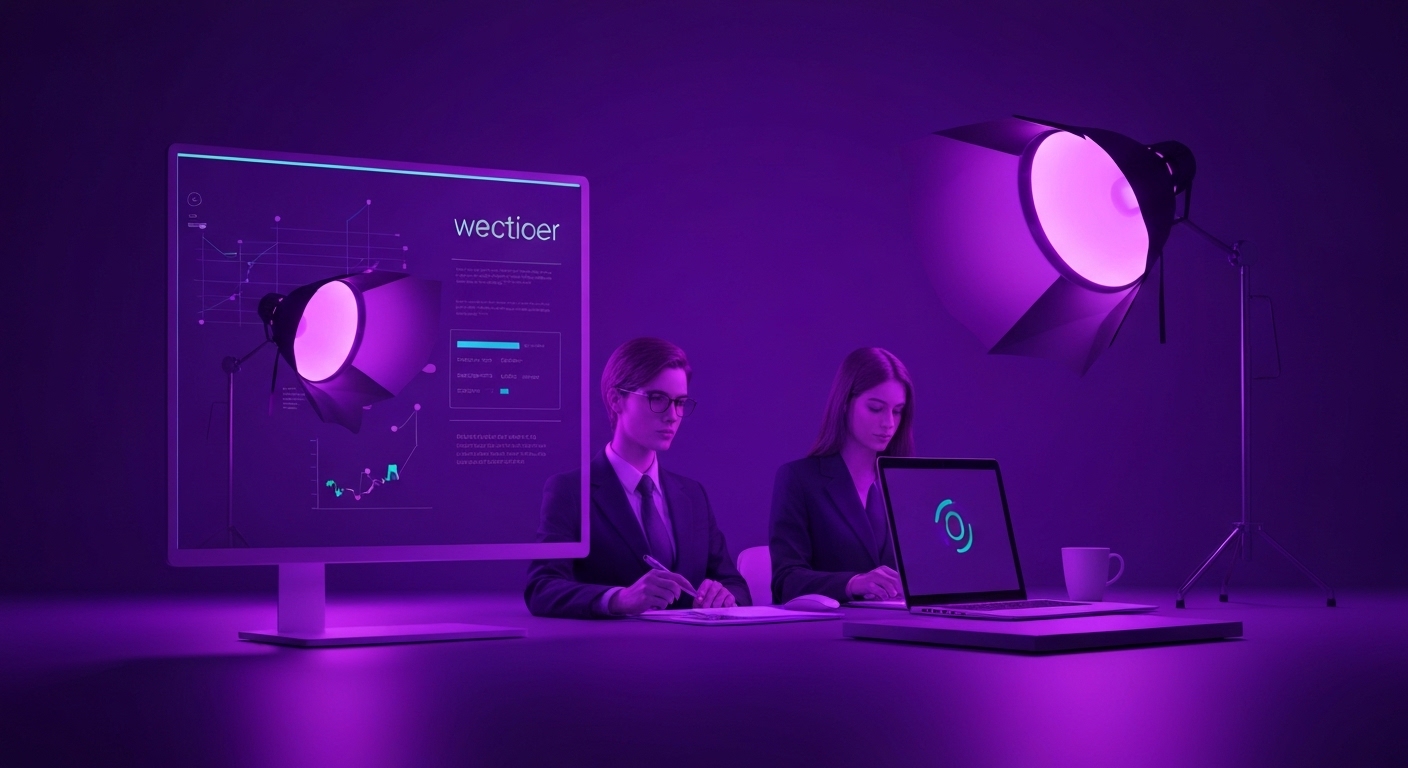
Anthropic has taken a firm step into the design field with the launch of Claude Design. This new product is specifically designed to enable the rapid creation of visuals and functional prototypes without needing to master complex tools like Figma, Adobe Illustrator, or frontend development environments.
What is Claude Design and how does it work?
Unlike prompt-based image generation tools that deliver static files, Claude Design focuses on creating structured visual elements. It allows users to describe a need—such as a dashboard, a landing page, or a social media asset—and obtain a visual representation that can be iterated in real-time using natural language.
This tool does not aim to replace professional designers in the final high-fidelity stages, but rather to optimize the ideation and rapid prototyping phases. By integrating vision and visual coding capabilities, the system interprets aesthetic and functional instructions to deliver results that are, in many cases, immediately usable for internal presentations or concept validation.
Why is this critical news for Marketing and Product?
The impact on digital marketing and product development teams is direct for three fundamental reasons:
- Reduction of bottlenecks: Marketing teams often depend on overloaded design departments to create simple mockups. Claude Design allows a Content Manager or Product Owner to generate a first visual version of a campaign or feature, accelerating decision-making.
- Low-cost iteration: Testing different visual layouts for a landing page now takes minutes instead of hours. This facilitates a constant experimentation approach (conceptual A/B testing) before moving to final production.
- Closing the technical gap: It enables business-oriented profiles to communicate complex visual ideas accurately, reducing misunderstandings between what is imagined and what is built.
The Rise of Agentic Automation and Desktop Control
While Anthropic focuses on visual creation, OpenAI and other key players are boosting what is known as "Computer Use" or desktop control. This trend suggests that the future of productivity lies not in copying and pasting information between tabs, but in delegating complete tasks to AI within our operating system.
AI with "hands": Beyond data processing
The ability of AI to observe a screen, move the cursor, click buttons, and fill out forms represents the transition from AI as a consultant to AI as an operational assistant. In the context of digital business, this opens the door to automating processes that previously required API integration (often expensive or non-existent) or constant human intervention.
Imagine workflows where AI can open your CRM, update data based on a received email, and then schedule a meeting in your calendar—all by interacting with applications just as a human would. This agentic vision is at the core of the most recent updates seeking to position AI as the command center of business operations.
The New Landscape of AI-Generated Video
The video ecosystem has undergone a notable reconfiguration following the cooling of expectations around OpenAI's Sora. What initially appeared to be an imminent monopoly has transformed into a diverse and competitive market where other players are gaining ground with available and functional tools.
The Post-Sora Reality
With the closure or limited access to certain high-profile projects, companies like Luma AI, Kling, and Runway have taken the opportunity to consolidate their platforms. The focus has shifted from generating hyper-realistic but uncontrollable clips to creating AI-assisted video editing tools that offer greater control over camera movement, character consistency, and shot duration.
For content creators, this means the barrier to entry for producing high-quality video continues to drop, but the competitive advantage now resides in direction and narrative skills rather than exclusive access to a specific technology.
Strategic Implications for Digital Business
This news should not be seen in isolation. It is part of a technological consolidation trend where AI becomes invisible by integrating into everyday processes. For companies seeking to remain relevant, the implications are clear:
1. ROI Optimization in asset creation: The ability to generate visuals and prototypes with Claude Design reduces the operational cost of initial creative phases. This allows design budgets to be allocated to higher strategic value tasks and brand refinement.
2. Redefinition of roles: The profile of the "prompter" is evolving into that of an "AI systems operator." It is no longer enough to know how to write an instruction; it is now necessary to understand how to connect design, automation, and content generation tools to create efficient work systems.
3. Focus on agility: Organizations that adopt agentic and rapid design tools will have a competitive advantage in market response speed. The ability to launch a landing page or a visual campaign in half the time of the competition becomes a critical differentiator.
What to try this week
To move from theory to action, we recommend performing the following practical tests over the coming days:
- Explore Claude Design for rapid layout: Try describing a services section for your website or a user interface for an internal tool. Observe how the model structures visual elements and use feedback to iterate on the design.
- Audit processes for desktop automation: Identify a repetitive task you perform on your computer that involves moving data between two unconnected applications. Evaluate if new desktop control capabilities could execute those clicks for you.
- Evaluate AI video alternatives: If your content strategy relies on video, explore tools like Kling or Luma to generate supporting clips (B-roll) that elevate the quality of your current productions without increasing the filming budget.
The transformation we are experiencing toward a more executable and less conversational AI is a golden opportunity for marketing and digital business professionals who act quickly.
At AmigoXtra, we are committed to helping you navigate this change, filtering the noise and delivering only what truly drives your results. If you want to delve deeper into how to integrate these tools into your growth strategy, explore our AI and Digital Marketing vertical, where you will find detailed guides and resources to empower your business in this new agentic era.
Impulsa tu trabajo con IA
Explora herramientas prácticas para crear, optimizar y ahorrar tiempo en tu día a día.