
 Colombia
 México
 Italia
 Francia
 Alemania
🥦 Vegetarian Meal Prep: Complete Guide to Cooking One Day and Eating Delicious All Week
The Challenge of Eating Well When Time and Budget Are Tight
Coming home after a long workday and facing the question "What am I going to have for dinner?" often ends in two scenarios: ordering takeout or ending up eating something not very nutritious. If we add the desire to reduce meat consumption and save money, the task seems impossible. However, vegetarian meal prep presents itself as the ultimate solution for those seeking efficiency, health, and real savings.
Cooking one day for the entire week is not just a social media trend; it is an organizational habit that allows you to optimize ingredients, reduce food waste, and ensure that every meal is balanced. By focusing on a plant-based diet, legumes, and grains, the cost per serving decreases drastically compared to diets based on animal proteins, without sacrificing flavor or satisfaction.
What is Vegetarian Meal Prep and Why Should You Consider It?
The concept is simple: dedicate a block of time (usually 2 to 3 hours on the weekend) to prepare the components of your meals or complete dishes for the following days. By choosing a vegetarian approach, you take advantage of long-lasting and low-cost ingredients like lentils, chickpeas, rice, and seasonal vegetables.
Direct Benefits for Your Wallet
When you plan and cook ahead, you avoid impulse purchases. Buying dry legumes in bulk is significantly cheaper than buying canned or processed products. Additionally, by having food ready, you eliminate the temptation to spend on restaurants or delivery services, which can represent savings of up to 40% on your monthly food budget.
The Pillars of Successful Vegetarian Meal Prep
For this strategy to work and not end up eating the same thing every day, it is essential to follow a logical structure. Here’s how to master the art of cooking one day for the entire week.
1. Menu Planning
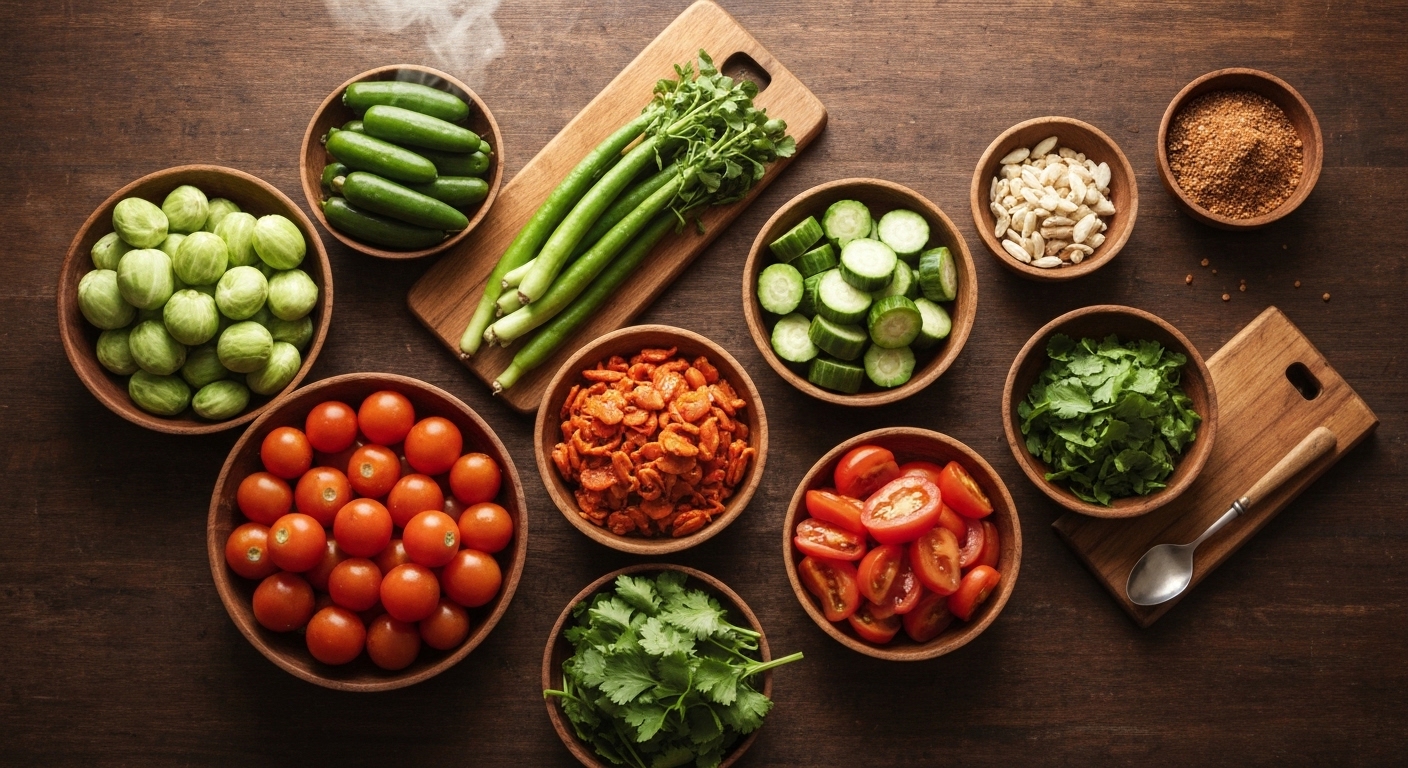
Before turning on the stove, check what you have in the pantry. Choose 2 sources of protein (for example, lentils and eggs), 2 grains (rice and pasta), and a variety of vegetables that can be used in different preparations. The key is not to cook 5 different dishes, but to prepare versatile components that you can combine in different ways.
2. Smart Shopping
Prioritize seasonal vegetables, as they tend to be fresher and more economical. Don’t shy away from frozen vegetables; they are an excellent option to have on hand and usually retain their nutrients very well. Avoid products labeled as "gourmet" and opt for the basics.
3. Batch Cooking
This technique involves preparing large quantities of a single ingredient. For example, you can cook a large pot of beans or chickpeas. One portion can be turned into a stew, another into a cold salad, and another into a puree or hummus. This way, with one initial effort, you get the base for three different meals.
Essential Ingredients for Your Weekly Vegetarian Recipes
To ensure your meatless meals are nutritious and keep you energized, make sure to include these food groups in your weekly prep:
- Legumes: Lentils, chickpeas, beans, and peas are the most economical and versatile protein base.
- Whole Grains: Brown rice, quinoa, oats, or whole wheat pasta provide fiber and prolonged satiety.
- Complementary Proteins: Eggs are a fundamental ally due to their low cost and high nutritional quality. Tofu and cheese are also excellent options if bought in family-sized packages.
- Base Vegetables: Onion, garlic, carrot, and bell peppers are the foundations of flavor in any budget-friendly kitchen.
- Healthy Fats: Olive oil, avocado (when in season), or sunflower seeds.
Step by Step: Your 3-Hour Cooking Session
Optimizing time in the kitchen is vital. Here’s a logical order for your meal prep session:
- Soaking and Cooking Grains: Start by cooking the legumes and rice. While they cook, you can work on the rest.
- Roasting Vegetables: Cut carrots, squash, onions, and potatoes. Season them with salt, oil, and spices, and put them in the oven. Roasted vegetables last much longer in the refrigerator than boiled ones.
- Preparing Sauces and Dressings: Make a basic vinaigrette or a homemade tomato sauce. This will make the difference between a boring meal and a delicious one.
- Quick Proteins: Cook some hard-boiled eggs to have snacks or salad toppings ready.
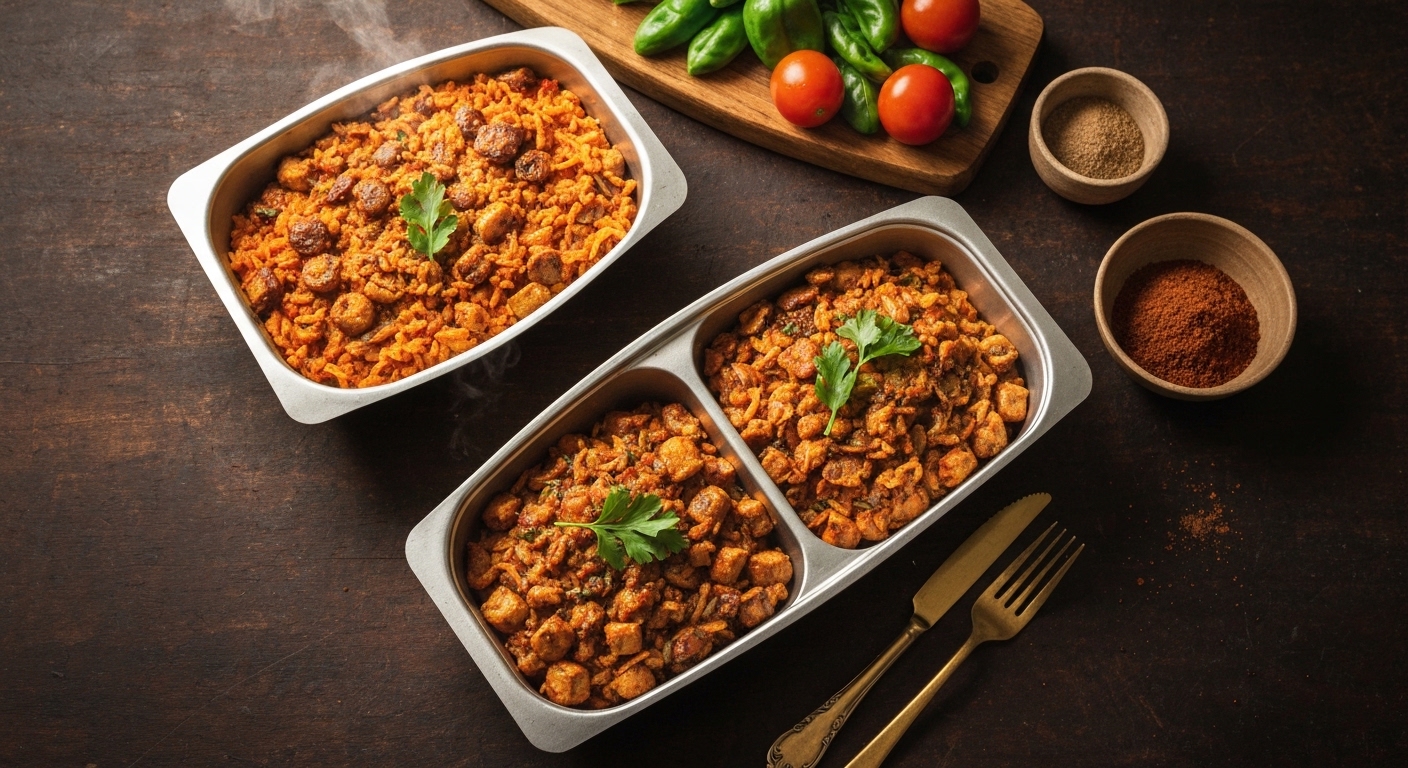
- Assembly or Storage: Let everything cool to room temperature before storing in airtight containers.
Combination Ideas for Your Weekly Menu
With the ingredients prepared, here’s how your week could look:
- Monday: Brown rice bowl with roasted chickpeas, fresh spinach, and a hard-boiled egg.
- Tuesday: Pasta with homemade tomato sauce, roasted vegetables, and a sprinkle of cheese.
- Wednesday: Cold lentil salad with chopped peppers, onion, grated carrot, and lemon vinaigrette.
- Thursday: Stir-fried rice with the remaining vegetables, tofu or scrambled egg, and a bit of soy sauce.
- Friday: Bean tacos or wraps with leftover vegetables and a bit of avocado.
Storage and Food Safety
To keep your vegetarian meal prep in perfect condition, follow these golden rules:
- Use glass containers if possible, as they do not retain odors and are easier to clean.
- Label the containers with the preparation date.
- Most preparations last 3 to 4 days in the refrigerator. If you plan to eat something on Friday or Saturday, consider freezing a portion from day one.
- Do not mix dressings with leafy greens until the moment of consumption to avoid wilting.
Conclusion: A Habit That Transforms Your Life
Adopting vegetarian meal prep is not only a smart financial decision but also an act of self-care. By dedicating a few hours of your weekend to organizing your meals, you reclaim valuable time during the week, reduce stress, and ensure you nourish your body with real, economical ingredients. Practical cooking does not require large investments, but rather a good strategy and the desire to eat better while spending less.
Frequently Asked Questions about Vegetarian Meal Prep
Generally, cooked legumes, rice, and roasted vegetables last between 3 and 5 days in well-refrigerated airtight containers. Hard-boiled eggs in their shells can last up to a week.
No. You can start by reusing clean glass jars or plastic containers you already have, as long as they seal well. The most important thing is organization, not the luxury of the containers.
The key lies in sauces and spices. You can use the same base of rice and beans, but one day add curry, another day cumin and paprika, and another day a yogurt or lemon sauce. The flavor changes completely with the dressing.
Try the tool for free
Discover a more practical way to cook better and spend less.
Try the tool for freeIf you enjoyed this guide, we invite you to explore more tips to optimize your kitchen:
¿Listo para cocinar con inteligencia?
Genera recetas personalizadas con IA, adaptadas a tu presupuesto y tus ingredientes.